for Growth and Customer Loyalty
Understanding What a Brand Refresh Should Achieve
A brand refresh is a focused update that helps your business look and sound like it belongs in today’s market. It should sharpen your brand positioning so customers quickly understand who
you serve and why you fit. It should also prompt past buyers to take another look and feel excited again.
Think of a neighborhood café that upgraded its menu and service, but still looks dated. A refresh updates the promise, the visuals, and the tone, then uses customer re-engagement strategies to bring regulars back.
With the goal defined, the practical updates like logo, colors, site, and packaging fall into place.

Apply 9 Practical Updates to Modernize Your Brand Fast
A brand refresh works best when every update supports the same goals you set earlier: staying relevant, re-engaging customers, and standing out from competitors. Use these practical updates to tighten your look and message quickly, without losing what loyal customers already love.
- Run a quick brand audit (60 minutes): Screenshot your homepage, social profiles, top ad, and a photo of your packaging or storefront signage. Circle what feels dated or inconsistent (fonts, colors, tone, promises), then list your “must keep” elements that customers recognize. This gives you a clear scope so you spend money where it actually drives re-engagement.
- Update your mission statement to one clear promise: Write a single sentence that answers: who you help, what you help them do, and how you do it differently. Test it by finishing this phrase: “We’re the best choice because…”. Use the mission as your filter, if a design or ad idea doesn’t reinforce the promise, cut it.
- Refresh your logo with small, safer changes first: Start by simplifying: remove tiny details that disappear on mobile, standardize line weights, and make a one-color version for stamps and invoices. Minor updates often modernize faster than a full redesign, and McDonald’s has continually refreshed its iconic look through small adjustments over decades. Keep one recognizable “anchor” (shape, symbol, or wordmark) so customers still recognize you at a glance.
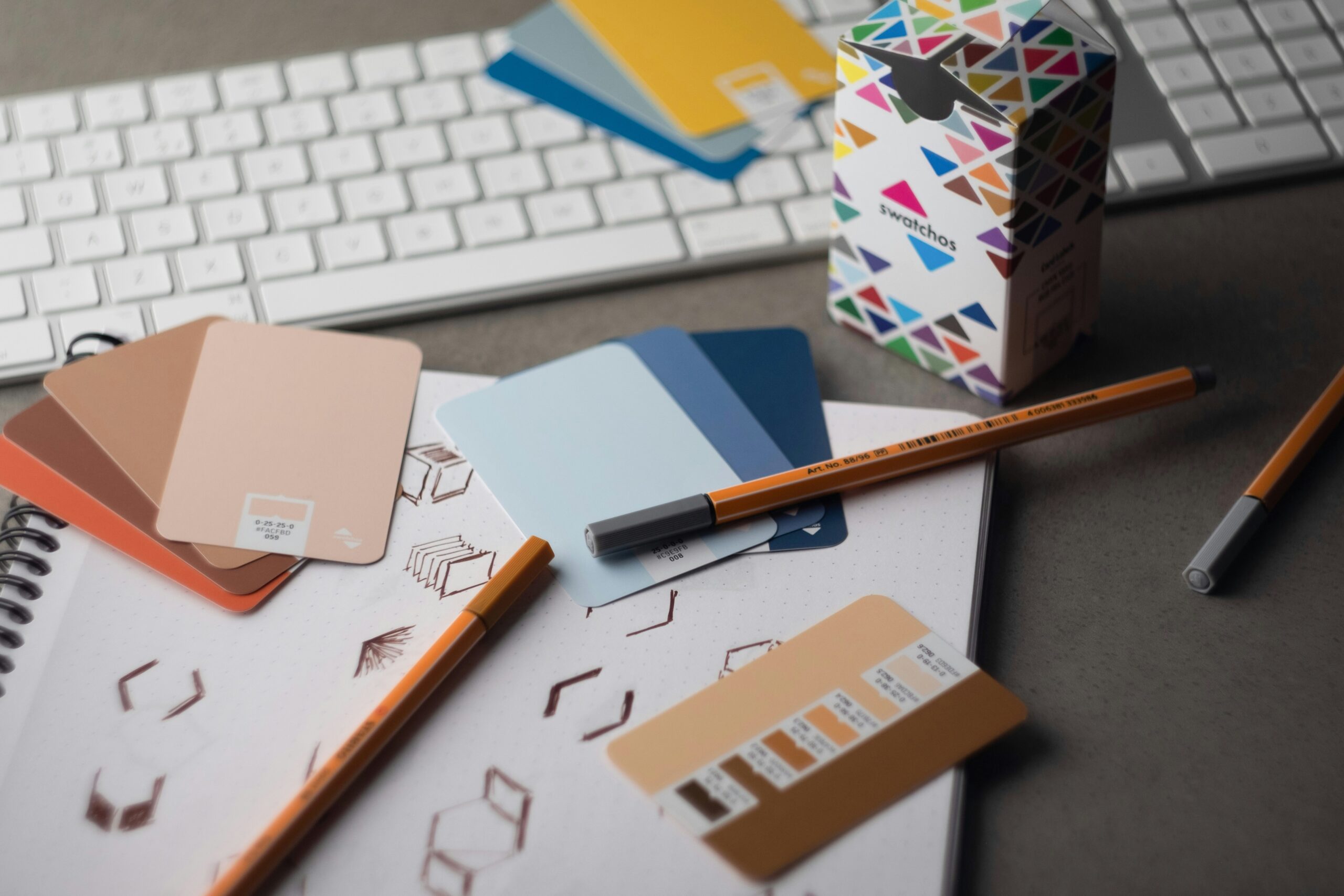
- Choose a brand color palette you can actually use: Pick 1 primary color, 1 secondary, and 1 neutral, then write simple rules such as “primary for buttons and headlines; secondary for highlights; neutral for backgrounds.” Check readability by testing dark text on light backgrounds and vice versa on your website and printed pieces. If you sell multiple product lines, assign each a secondary accent color so customers can shop faster.
- Set a mini style guide (one page): Define your fonts (one for headings, one for body), 3 image rules (lighting, background, subject), and 5 “do/don’t” words that reflect your voice. Add examples of your best headline, your best product description, and your email sign-off. This keeps new ads, packaging, and posts consistent even if multiple people create them.
- Revamp the website around one conversion goal: Choose one main action per page, book a call, buy, or request a quote, then remove competing buttons. Update the first screen with your mission sentence, a proof point (review snippet or number served), and a single clear call-to-action. On mobile, make sure the button appears within the first two scrolls and that pages load fast.
- Modernize packaging design for clarity and shelf impact: Prioritize three things customers need instantly: product name, key benefit, and how to use it. Use consistent placement so returning buyers find what they want in seconds, and reserve a clean area for compliance or ingredients. If you can’t reprint everything immediately, start with stickers or sleeves that apply the new logo, colors, and messaging.
- Create ads from a repeatable template (not one-off ideas): Build 3 ad variations: problem/solution, testimonial, and offer-based. Keep the same visual structure each time, logo placement, colors, font sizes, so repeated exposure builds recognition. When testing, change only one element at a time (headline OR image OR offer) for one week so you learn what’s working.
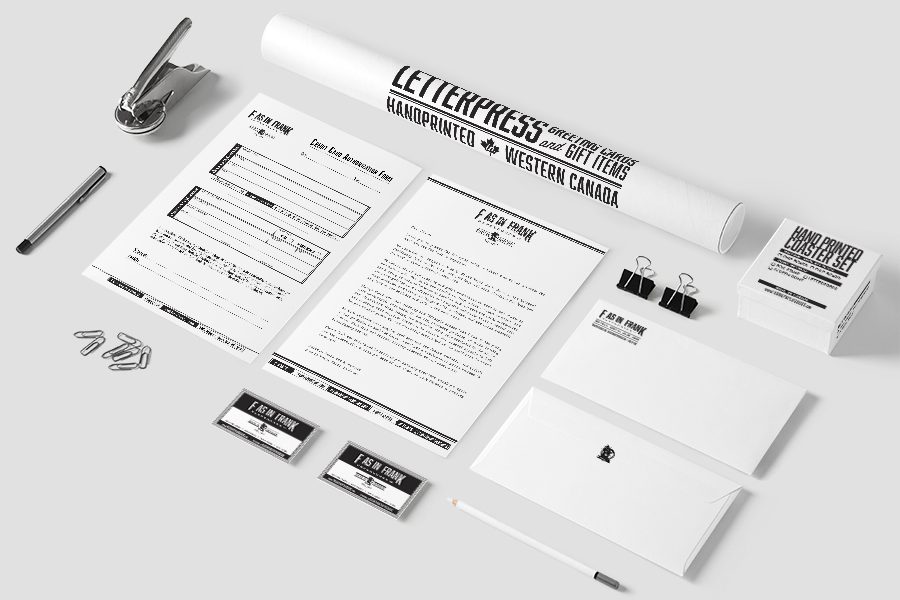
- Update printed collateral fast with a ready-made card maker: Once your logo, colors, and fonts are set, refresh business cards, appointment cards, thank-you cards, and small flyers using a template-based card maker that lets you lock in brand elements. Create 2–3 card versions: a general card, a referral card with an incentive, and a seasonal promo card. This is one of the quickest ways to make the refresh feel “real” everywhere customers interact with you, and a consistent business card design helps keep those touchpoints aligned.
When these pieces match, message, visuals, and customer touchpoints, you’ll feel more confident rolling changes out in phases, pricing the work, and keeping everything consistent over time.
Common Brand Refresh Questions, Answered
- How can I tell if my business needs a brand refresh? Look for a pattern of small red flags: uneven visuals across channels, unclear messaging, or customers asking basic “what do you do?” questions. If you hesitate to send people to your website or packaging because it feels outdated, that’s a practical signal. Start with a 60-minute inventory of your top customer touchpoints and note what feels inconsistent.
- What are the most effective ways to update a brand without losing existing customer loyalty? Keep one recognizable anchor, like your name, a familiar symbol, or a key promise, and update everything else in stages. A simple style guide and phased rollout protect trust because consistent branding supports stronger performance. Announce what’s changing and what’s staying the same so loyal customers feel included.
- How do I choose new brand colors that resonate with my audience? Pull color cues from your customers’ world: their environment, their values, and the mood you want them to feel when buying. Test 2–3 palette options on real assets, like a homepage header, an Instagram post, and a printed flyer, then ask which feels most “you.” Prioritize readability and choose colors you can reproduce consistently.
- What role does customer feedback play in successfully refreshing a brand? Feedback reduces guesswork and helps you spend your budget where it matters most, like clarity, navigation, and offers. Ask three questions: what words describe us today, what nearly stopped you from buying, and what you would miss if we changed it. Use the answers to refine your message before you pay for major design work.
- What steps should I take if I feel stuck or overwhelmed while trying to redefine my business’s mission and vision during a brand refresh? Shrink the task to one decision: write a single sentence that states who you help, what outcome you deliver, and your differentiator. Then gather proof by listing three customer wins and three reasons people choose you over alternatives, and turn those into simple phrases. If you want deeper grounding, study the long-term plan to establish and differentiate your business and pair it with basic leadership habits like weekly priorities and decision rules, and click here for a structured overview of core business topics.
Brand Refresh Checklist to Stay on Track
With that clarity in mind: This checklist turns a brand refresh into manageable steps you can complete and verify. Use it to protect loyalty while you modernize your look, tighten your message, and update every customer-facing touchpoint.
- Audit your top 10 touchpoints for mismatched visuals and confusing copy
- Define your anchor element to keep recognition during the refresh
- Draft one clear promise statement and three supporting proof points
- Test 2–3 color and font options on real marketing assets
- Collect customer feedback with three targeted questions before finalizing designs
- Build a one-page style guide for logo, colors, type, and tone
- Update your website, packaging, and templates in a planned rollout order
Finish one item today, and your refreshed brand will feel real fast.
Build Momentum With One Strategic Brand Refresh This Week
When a brand starts to feel dated or inconsistent, it’s easy to stall, worrying about cost, time, or getting it “wrong.” A strategic brand refresh solves that by following a clear, customer-aware plan and then carrying it through with steady brand strategy implementation. Done well, it leads to brand equity enhancement, sharper business differentiation, and real customer loyalty improvement because people know what you stand for and can recognize you quickly. A focused brand refresh turns scattered marketing into a clear promise customers remember. Choose one checklist item to complete this week, then keep that momentum until the full refresh is in place. That consistency is what supports long-term growth and resilience.
You can find out more about him at the EntraSPARK.com