
For small business owners and professionals building personal branding, the hardest part often isn’t creating quality work, it’s being recognized for it. When the message shifts from post to post and offer to offer, brand identity gets fuzzy, brand awareness stays low, and the wrong people respond while the right target audience scrolls past. A clear, consistent brand gives customers a simple way to understand what a business stands for and why it’s different. That clarity strengthens brand differentiation and makes every interaction easier to trust.
Understanding What Makes a Brand Memorable
A memorable brand starts with clear fundamentals, not a prettier logo. Think of it as choosing your place in people’s minds, defining what you stand for, and stating why you are the better fit, since brand positioning is the space your offer holds for your ideal customer. Then you translate those choices into a consistent personality and words people recognize.
This matters because audiences connect faster when your message feels human and steady.
Real growth comes when a strong emotional connection forms, so customers remember you, trust you, and refer you.
Imagine two photographers with similar skills. One says, “I do photos,” while the other promises calm, guided sessions for busy families and speaks that way everywhere. Same service, but the second one feels like a safe choice.
Build Your Brand From Research to a Confident Logo
- Research your audience and competitors Start with 10 to 20 short conversations, reviews, forum threads, and competitor websites to collect exact phrases people use about their problem, desired outcome, and frustrations. Group what you find into patterns such as “wants speed,” “needs guidance,” or “hates hidden fees,” because those themes become the raw material for your message.
- Define your brand strategy in one page Choose one primary audience, one clear promise, and 3 to 5 values you will actually prove through your product and behavior. Write a simple positioning statement: “For [who], I help with [problem] by [approach], so they get [result],” then use it to filter ideas so you stop trying to appeal to everyone.
- Create a brand voice people can recognize Pick 3 voice traits (example: calm, direct, encouraging) and add a “do and don’t” for each so you can apply them consistently in emails, captions, and sales pages. Draft a short set of reusable lines: an elevator pitch, a tagline, and a 50-word “about,” then read them out loud to ensure they sound like a real person.
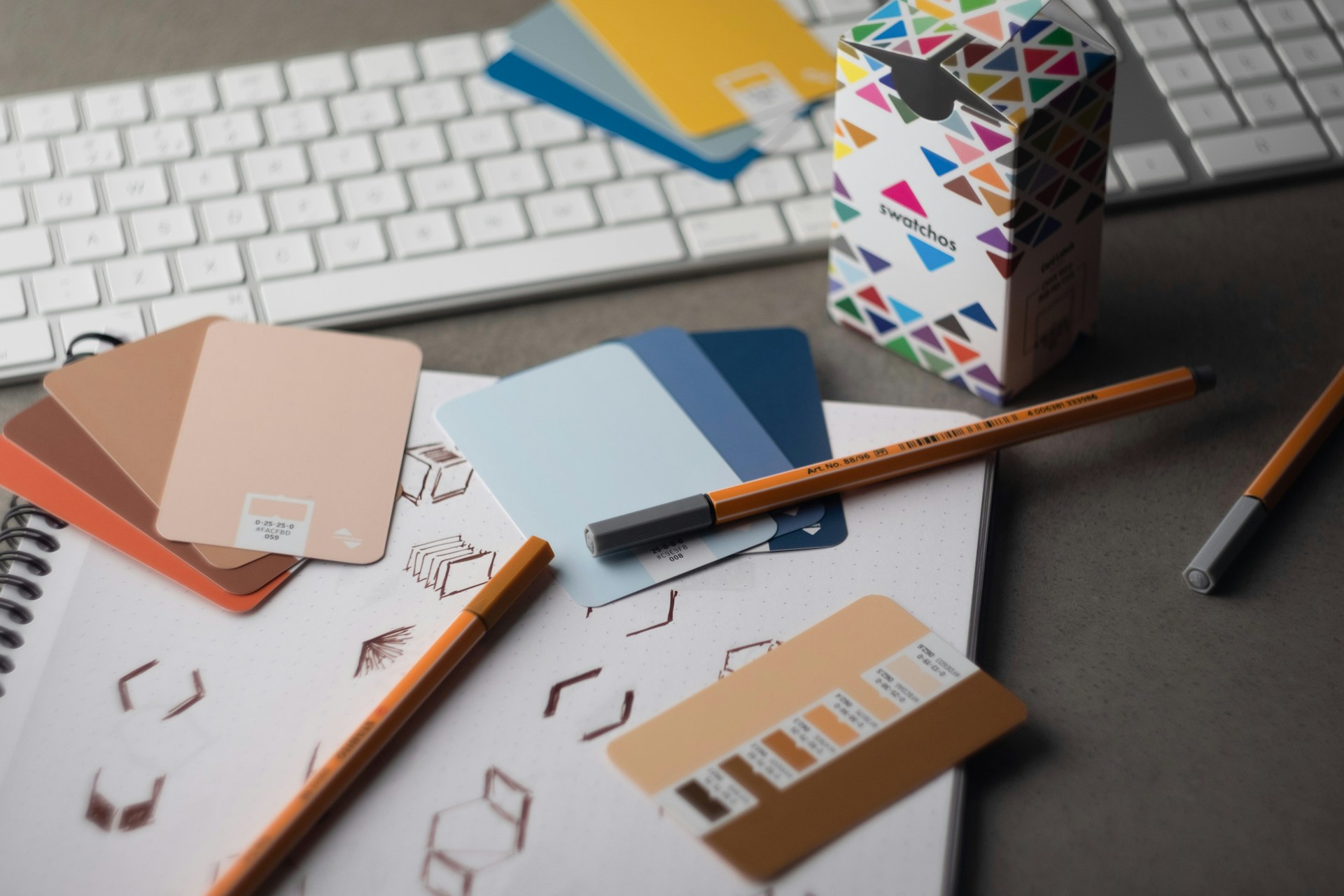
- Build your visual identity system first Choose a tight palette (2 core colors plus 1 accent), 1 to 2 fonts, and a small set of photo or illustration rules so every touchpoint looks like it belongs to the same brand. Prioritize clarity and consistency because 55% of brand first impressions are based on visual elements and people judge quickly.
- Execute a practical logo design process Start with a function: list where the logo must work (website header, social icon, invoice, packaging) and design in black and white first so it holds up without color. Sketch 20 small ideas, select the best 3, turn them into simple digital versions, then test at tiny sizes and ask a few target customers what it reminds them of and whether it fits your promise.
Brand Clarity and Consistency Checklist
✅ Confirm your primary audience and one clear promise
✅ Capture 10 exact customer phrases for pains and desired outcomes
✅ Write a one-page brand strategy with values and positioning
✅ Set three voice traits with do and don’t examples
✅ Create reusable copy: pitch, tagline, and 50-word about
✅ Choose visual essentials: palette, fonts, and image rules
✅ Test your logo in black and white at small sizes
✅ Compile a simple brand style guide and share it
Brand clarity questions, answered
Q: What strategies help create a meaningful connection between my brand and the audience? A: Make your values visible through choices, not slogans: what you say no to, how you price, and how you support customers. Use consistent visual and verbal cues across your content and touchpoints, since branding is the full impression people remember. Add one repeatable “signature” moment like a welcome sequence, a consistent framework, or a small branded freebie.
Q: How do I simplify complex ideas to make my brand message clear and memorable? A: Reduce everything to a three-part message: who it’s for, the problem, and the outcome. Replace jargon with one concrete example and one metaphor your audience already uses. Keep a short tagline, a 50-word “about,” and a one-sentence pitch so your message stays steady everywhere.
Q: What steps can I take when I feel stuck or unsure about how to position my brand? A: Stop trying to perfect it and run a small clarity sprint: pick one niche use case, one offer, and one proof point. Draft three positioning options, then ask real people which one sounds most specific and believable. Remember your brand isn’t a box, it is the story you tell and the growth you enable.
Q: What if I want to establish a legally recognized brand name to protect my identity and name? A: First, confirm the name is available by checking business registries and trademark databases in your jurisdiction. Align your legal name choice with how you will consistently present it on your site, social handles, invoices, and simple print items like business cards or packaging; you can even spread the word by using a mug designer. If it feels high-stakes, consult a qualified legal professional so you protect the name you plan to grow.
Build Brand Momentum With Seven Days of Consistent Practice